Why Most People Never Get Past “I Should Save”
You know you should have an emergency fund.
You’ve heard it before. Save for unexpected expenses. Be prepared. Build a cushion.
But when you actually try to start?
It feels overwhelming.
“How much do I need?”
“Where do I even begin?”
“Can I even afford to save right now?”
So instead of starting, it gets pushed to later.
And later… never comes.
Here’s the truth:
The problem isn’t your discipline—it’s the strategy.
>> Get the REAL way to Build your Emergency Fund – HERE <<
Building an Emergency Fund Is Like Filling a Bucket—Drop by Drop
Imagine trying to fill a large bucket with water.
At first glance, it can feel discouraging. The bucket looks empty, and no matter how much effort you put in, it doesn’t seem like you’re making much progress. You might catch yourself thinking, “This is going to take forever… what’s the point?”
That’s where most people get stuck.
They focus on how far they have to go instead of what they’re actually building.
But shift your focus for a moment.
Instead of staring at the empty bucket, pay attention to each drop going in.
One small pour. Then another. Then another.
At first, the change is barely noticeable. The bottom gets slightly wet. Then a thin layer forms. It still doesn’t look like much—but something important is happening.
You’re building momentum.
And over time, those small, consistent drops start to add up. The water level rises. What once felt slow begins to feel steady. What once felt impossible starts to feel achievable.
Eventually, you step back and realize something surprising:
The bucket is no longer empty.
In fact, it’s holding far more than you expected.
Building an emergency fund works in exactly the same way.
When you focus only on the end goal—thousands of dollars saved—it can feel overwhelming. Too big. Too far away. Easy to delay.
But when you focus on the process—saving small amounts consistently—everything changes.
Each $10, $20, or $50 contribution becomes a “drop” in your bucket. And while any single drop may not feel like much, together they create real progress.
You don’t need to fill it overnight.
You don’t need a perfect plan.
You just need a system that works—one small, consistent step at a time.
In this guide, you’ll learn the starter emergency fund strategy that actually works, so you can stop overthinking, start taking action, and gradually build the kind of financial security that gives you real confidence and peace of mind.
1. Set a Small, Clear First Goal
Big goals stop action—small goals create it.
One of the biggest mistakes people make is aiming too high too soon.
“Save 3–6 months of expenses” sounds great—but it’s not where you start.
Instead, focus on your first milestone:
- $100
- $250
- $500
- $1,000
These smaller goals feel achievable—and that matters.
Research from the Consumer Financial Protection Bureau shows that even small emergency savings can reduce reliance on high-interest debt.
Financial expert Ramit Sethi says:
“Small wins build momentum.”
Practical Tip:
Set your first goal at $500 or less—make it achievable within a few weeks.
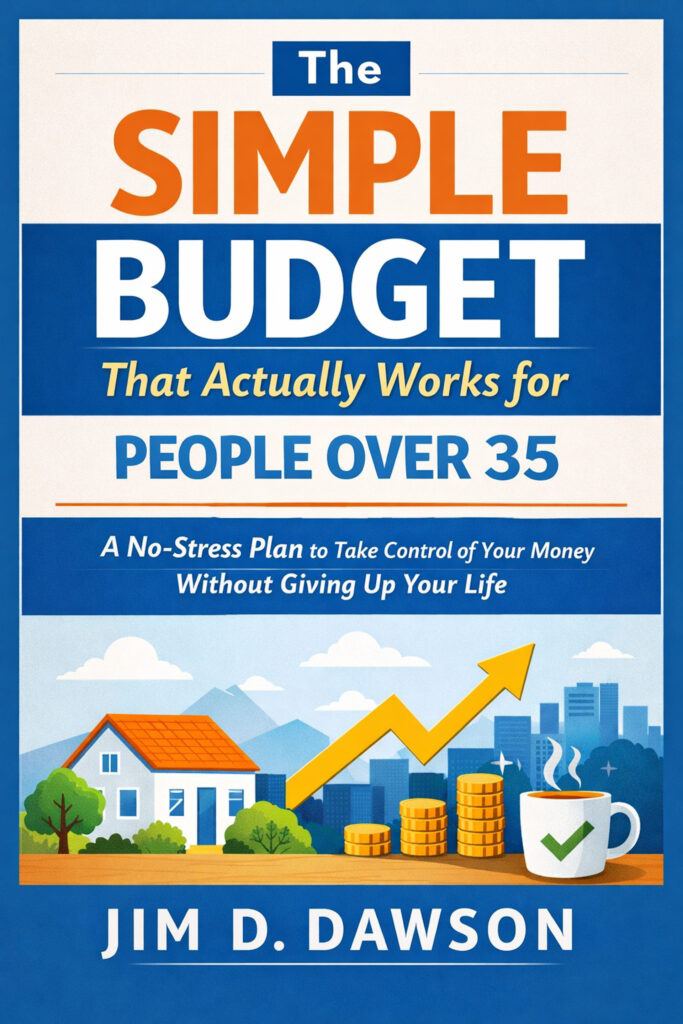
>> CLICK HERE for a Simply Budget that Actually works!! <<
2. Make Saving Automatic (Remove the Decision)
If you have to think about saving, you’ll skip it.
Saving manually sounds simple—but in real life, it’s easy to forget or delay.
That’s why automation is key.
Set up:
- Automatic transfers after payday
- Direct deposit splits
- Weekly recurring savings
Behavioral research shows that automation dramatically increases consistency.
Author James Clear explains:
“You fall to the level of your systems.”
Practical Tip:
Automate even $10–$25 per week—it adds up faster than you think.
3. Use “Invisible Savings” Tricks
The best savings are the ones you don’t notice.
Saving doesn’t always require cutting your lifestyle dramatically.
Instead, look for ways to save without feeling it:
- Round-up apps (save spare change)
- Cashback redirected to savings
- Small bill reductions
- Skipping one expense per week
According to behavioral economics research, small, automatic savings are more sustainable than large, forced changes.
Practical Tip:
Redirect one small recurring expense into your emergency fund.
4. Capture Unexpected Money
Extra money is your shortcut.
Even if your income is tight, you’ll occasionally receive:
- Tax refunds
- Bonuses
- Gifts
- Side income
- Money from selling unused items
Instead of spending all of it, save a portion.
This can accelerate your progress significantly.
Practical Tip:
Save at least 50% of any unexpected income.
5. Keep Your Emergency Fund Separate
If it’s too easy to spend, you will.
Your emergency fund should not sit in your everyday spending account.
Keep it:
- In a separate savings account
- Easy to access—but not too easy
- Clearly labeled (e.g., “Emergency Fund”)
This creates a psychological barrier that protects your savings.
Financial expert Suze Orman emphasizes:
“Your emergency fund is not for everyday spending.”
Practical Tip:
Open a dedicated savings account just for emergencies.
>> Get the 5 Steps to Stabilizing your Finances HERE <<
6. Focus on Progress—Not Perfection
You don’t need to do it perfectly to do it successfully.
Many people stop saving because they:
- Miss a week
- Spend some of their savings
- Feel like they’re not saving “enough”
But progress isn’t linear.
What matters is that you keep going.
Research from Harvard Business School shows that small progress increases motivation and long-term success.
Practical Tip:
If you pause or dip into your fund, restart immediately—don’t wait.
7. Protect Your Fund for Real Emergencies Only
Not every expense is an emergency.
Your emergency fund is your safety net—not a convenience fund.
Use it for:
- Medical expenses
- Car repairs
- Job loss
- Urgent home repairs
Avoid using it for:
- Shopping
- Vacations
- Non-urgent upgrades
Protecting your fund ensures it’s there when you truly need it.
Practical Tip:
Define your “emergency rules” before you need them.
Start Small, Stay Consistent, Build Stability
The starter emergency fund strategy that actually works isn’t complicated.
In fact, that’s the whole point.
Because when something is complicated, it’s harder to follow. It requires more effort, more decisions, and more discipline—and that’s exactly what causes people to stop.
But when something is simple?
It becomes repeatable. Sustainable. Realistic.
And that’s why it works.
You’re not trying to build a perfect system—you’re building one you can actually stick to.
As you move forward, keep these key steps in mind:
Start with a small, clear goal
Clarity removes overwhelm. A smaller target gives you something concrete to work toward right now.
Automate your savings
Automation turns good intentions into consistent action—without relying on memory or motivation.
Use small, invisible savings strategies
Tiny adjustments—ones you barely notice—can quietly build your fund over time.
Capture unexpected money
Extra income is an opportunity to accelerate your progress without affecting your day-to-day budget.
Keep your savings separate
Distance creates protection. When your money isn’t easily accessible, it’s less likely to be spent.
Focus on progress over perfection
You don’t need to do everything right—you just need to keep moving forward.
Protect your fund
Your emergency fund is your safety net. Guard it so it’s there when you truly need it.
Building an emergency fund isn’t about doing something dramatic.
There’s no single moment where everything suddenly clicks or where you save a massive amount overnight.
It’s about doing something consistently.
Showing up week after week. Saving small amounts. Making gradual progress.
And while those actions may feel small in the moment, they compound over time into something meaningful.
Financial security doesn’t come from one big decision.
It comes from small actions repeated over time—quietly, steadily, and consistently—until one day, you realize you’ve built something strong enough to support you when it matters most.
As financial author Morgan Housel says:
“The most important part of every plan is planning for what you can’t plan for.”
And your emergency fund is exactly that.
Start small. Stay consistent.
And let those small steps build something powerful. 🚀