When Saving Money Feels Impossible
If you feel financially behind, the idea of building an emergency fund might seem unrealistic. When bills are piling up, debt payments are due, and every paycheck already feels stretched thin, saving money can feel like something only people with extra income can afford.
But here’s the surprising truth: an emergency fund is often even more important when you’re already behind financially.
Without savings, every unexpected expense—car repairs, medical bills, job disruptions—can push you deeper into debt or financial stress. A small financial cushion doesn’t solve every problem, but it can stop small setbacks from becoming long-term financial crises.
Think of an Emergency Fund as a Financial Shock Absorber
Imagine driving down a rough road without shock absorbers in your car. Every bump, crack, and pothole would send a jolt through the entire vehicle. The ride would feel uncomfortable, unpredictable, and eventually the constant strain could begin damaging the car itself. Even small imperfections in the road would feel far more severe than they should.
Now imagine driving that same road with proper shock absorbers in place.
The bumps are still there, but the impact is softened. The car stays stable, the ride is smoother, and you’re able to continue moving forward without feeling like every obstacle might knock you off course.
Emergency savings work in a very similar way for your finances.
Life is full of financial bumps. A car repair might appear out of nowhere. A medical bill arrives that insurance doesn’t fully cover. Your work hours get reduced for a few weeks, or an appliance breaks unexpectedly. These types of events aren’t rare—they’re simply part of everyday life.
But without savings, each of those financial bumps hits your finances directly.
Instead of calmly paying for the expense, many people are forced to rely on credit cards, personal loans, or borrowing money just to get through the situation. What begins as a temporary problem can quickly turn into long-term financial stress as interest charges pile up and debt grows.
An emergency fund acts like those shock absorbers.
Even a small amount of savings can soften the impact of life’s unexpected expenses. Instead of turning to debt immediately, you have a financial cushion that helps absorb the shock and keep your financial progress moving forward.
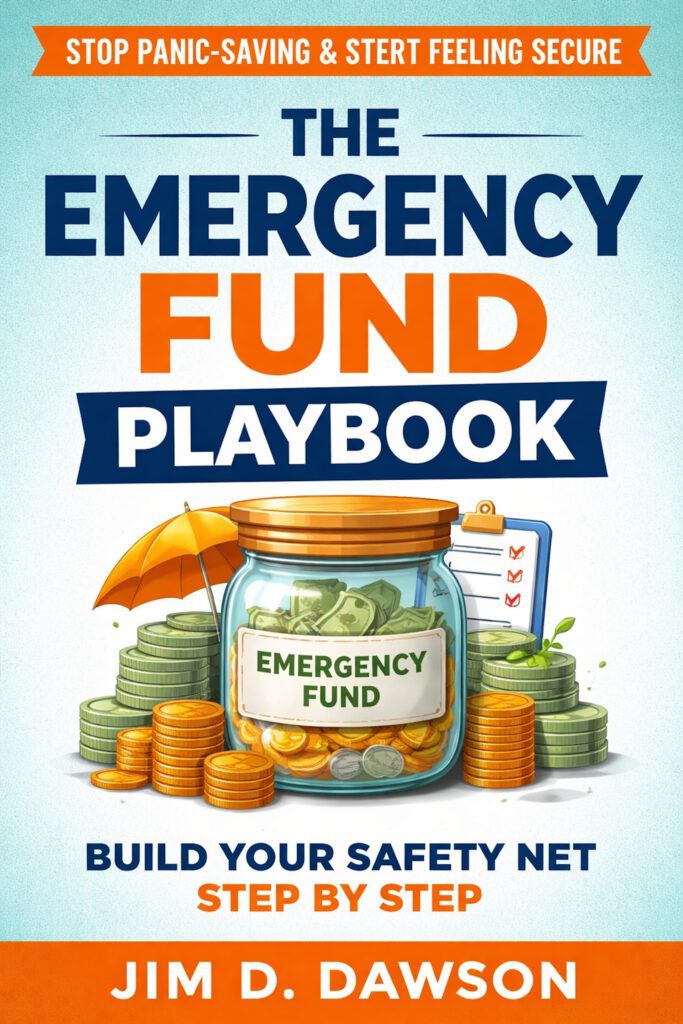
>> READ: The Real Way to Build an Emergency Fund <<
Just as importantly, having emergency savings brings peace of mind. Knowing you have even a modest safety net can reduce financial anxiety and give you confidence that you can handle unexpected situations when they arise.
The good news is that building an emergency fund doesn’t require saving thousands of dollars overnight. In fact, most emergency funds begin with small, manageable steps—setting aside a little money at a time and gradually building that cushion over months or years.
In this guide, you’ll learn how to start building an emergency fund even if you feel financially behind. We’ll walk through practical strategies that help you begin saving, find small amounts of money within your current budget, and slowly create a financial safety net that brings greater stability to your life—one step at a time.
Start With a Small and Achievable Goal
Your first emergency fund goal shouldn’t be overwhelming.
Many financial experts recommend saving three to six months of expenses, but when you’re already struggling financially, that number can feel impossible.
Instead of focusing on a large long-term goal, start with a much smaller and more achievable milestone.
Your first target might be:
- $100
- $250
- $500
Even these small amounts can make a meaningful difference. A few hundred dollars can cover many common emergencies like minor car repairs, medical copays, or unexpected bills.
Research from the Consumer Financial Protection Bureau shows that households with even modest emergency savings are significantly less likely to rely on high-interest credit during financial shocks.
Financial expert Ramit Sethi explains:
“Small wins create the momentum that leads to big financial progress.”
Practical Tip:
Focus on saving your first $500 before worrying about larger emergency fund goals.
>> READ: Why Budgeting Fails Most People (and What Actually Works) <<
Build the Habit Before Increasing the Amount
Consistency matters more than the size of your deposits.
Many people believe saving only counts if they can set aside large amounts of money. But in reality, the most important step is developing the habit of saving regularly.
Even saving small amounts consistently can create meaningful progress.
For example:
- $10 per week = $520 per year
- $25 per week = $1,300 per year
These numbers may not feel dramatic at first, but they show how small contributions can gradually build financial security.
Behavioral finance research shows that people who build automatic saving habits are significantly more likely to reach their financial goals.
Author James Clear explains:
“You do not rise to the level of your goals. You fall to the level of your systems.”
Practical Tip:
Set up a small automatic transfer to savings each payday—even $10 helps build the habit.
Look for “Hidden Money” in Your Budget
Many people already have money in their budget—they just haven’t redirected it yet.
When money feels tight, it can seem like there’s nothing left to save. But often there are small financial leaks that quietly drain money each month.
These might include:
- Unused subscriptions
- Impulse purchases
- Frequent takeout meals
- Convenience spending
Even modest adjustments can free up money for savings.
For example:
- Canceling a $15 monthly subscription creates $180 per year in savings
- Reducing dining out by $20 per week creates over $1,000 annually
According to research from the Bureau of Labor Statistics, small discretionary spending categories can add up significantly over time.
Financial author Morgan Housel notes:
“Wealth is what you don’t see.”
Practical Tip:
Review your last 60 days of bank statements and look for small expenses you can redirect to savings.
>>READ: How to Get out of Debt Without Destroying Your Lifestyle <<
Use Windfalls to Jumpstart Your Emergency Fund
Unexpected money can accelerate your progress quickly.
While small weekly contributions help build consistency, occasional windfalls can significantly speed up your emergency fund growth.
Examples include:
- Tax refunds
- Work bonuses
- Cash gifts
- Side hustle income
- Selling unused items
Instead of spending all of this money immediately, consider directing a portion of it toward emergency savings.
A single tax refund or bonus could potentially fund your entire starter emergency fund in one step.
According to the Internal Revenue Service, the average tax refund in the United States is often several thousand dollars—an opportunity many people use to strengthen their financial stability.
Practical Tip:
Commit to saving at least 50% of any unexpected income you receive.
Separate Your Emergency Fund From Everyday Spending
Where you keep your savings can make a big difference.
One of the easiest ways to accidentally spend your emergency fund is by keeping it in the same account as your everyday spending money.
Instead, store your emergency savings in a separate high-yield savings account.
This provides several advantages:
- Clear separation from spending money
- Slight interest earnings on your savings
- Reduced temptation to dip into the fund
Data from Bankrate shows that high-yield savings accounts typically offer much higher interest rates than traditional savings accounts.
Creating a dedicated emergency fund account also reinforces the purpose of the money—it’s reserved specifically for unexpected situations.
Practical Tip:
Label the account “Emergency Fund” to strengthen the psychological barrier against spending it.
Protect Your Progress From New Financial Setbacks
Building an emergency fund only works if it stays intact.
As you begin saving, it’s important to protect that progress. The purpose of an emergency fund is to handle true financial emergencies, not everyday spending or impulse purchases.
Typical emergencies include:
- Medical expenses
- Essential car repairs
- Unexpected job loss
- Urgent home repairs
Non-emergency expenses usually include:
- Vacations
- Holiday shopping
- Entertainment upgrades
- Impulse purchases
Financial planners often recommend rebuilding your emergency fund immediately if you ever need to use it.
Research from the Urban Institute shows that households with even small savings buffers are far more resilient during financial disruptions.
Practical Tip:
Create a clear rule for what qualifies as a “true emergency.”
Financial Stability Starts With Small Steps
Building an emergency fund when you already feel financially behind may seem difficult—but it’s one of the most important steps you can take toward financial stability. When money feels tight, saving can feel like the last thing you’re able to do. Yet having even a small financial cushion can dramatically reduce stress and prevent unexpected expenses from turning into long-term financial problems.
The goal isn’t perfection or massive savings overnight. In fact, waiting until you can save large amounts of money often delays progress entirely. What truly matters is consistent progress, even if that progress begins with very small steps.
Over time, those small steps begin to add up.
As you work toward building your emergency fund, keep these key strategies in mind:
Start With a Small and Achievable Goal
Rather than focusing on saving thousands of dollars right away, begin with a smaller milestone—such as $100, $250, or $500. Achieving these early goals builds confidence and creates momentum that makes it easier to keep saving.
Focus on Building the Saving Habit
Consistency is far more important than the size of each deposit. Setting aside a small amount each week or each payday gradually builds a financial cushion while also strengthening your saving habits.
Redirect Small Expenses Toward Savings
Many budgets contain small, overlooked expenses—unused subscriptions, impulse purchases, or convenience spending. Redirecting even a few of these expenses toward savings can make a meaningful difference over time.
Use Windfalls to Accelerate Progress
Occasional financial boosts such as tax refunds, bonuses, or side hustle income can help grow your emergency fund faster. Directing a portion of these windfalls into savings can significantly strengthen your financial cushion.
Store Your Emergency Fund in a Separate Account
Keeping your emergency savings in a dedicated account—preferably a high-yield savings account—helps protect the money from everyday spending while still keeping it accessible when needed.
Protect the Fund for Real Emergencies
Your emergency fund should be reserved for genuine financial surprises like medical expenses, essential repairs, or temporary income disruptions. Protecting it from non-essential spending ensures it will be available when you truly need it.
Financial stability isn’t created by one big decision or a single dramatic change.
Instead, it’s built through small, consistent actions repeated over time. Each deposit you make into your emergency fund strengthens your financial foundation and makes you more resilient to life’s unexpected challenges.
And while the progress may feel slow at first, every dollar you save moves you one step closer to greater security, confidence, and peace of mind with your finances.
As financial writer Morgan Housel explains:
“The most important part of every financial plan is planning for things you can’t plan for.”
And the moment you begin building your emergency fund, you’re already taking the first step toward that stability.