(Even If You Feel Broke)
If you’ve ever searched how to build an emergency fund when broke, you’re probably not looking for inspiration.
You’re looking for relief.
Most advice assumes you have extra money lying around.
Late starters don’t.
People with low or tight income don’t.
So when traditional advice says, “Save 3–6 months of expenses,” it feels less like guidance and more like a reminder of how far behind you already feel.
The good news?
You don’t need to be “caught up” to start building safety.
You need a different approach.
This article shows you how to build an emergency fund when you feel broke, behind, or stretched thin—without extreme budgeting or waiting years to feel secure.
Why Traditional Emergency Fund Advice Fails Late Starters
Most financial advice was written for people with margin.
When you’re a late starter or living on low income, advice like:
- “Save aggressively”
- “Just put money aside every month”
- “Build 3–6 months of expenses”
…ignores reality.
If you’re behind, your money already has jobs:
Rent.
Food.
Utilities.
Debt.
Transportation.
There’s nothing “extra” to save. That’s why generic advice fails for emergency fund late starters and anyone trying to build an emergency fund when income is low.
The problem isn’t discipline.
It’s design.
You don’t need to save more.
You need to redirect money and build safety in stages.
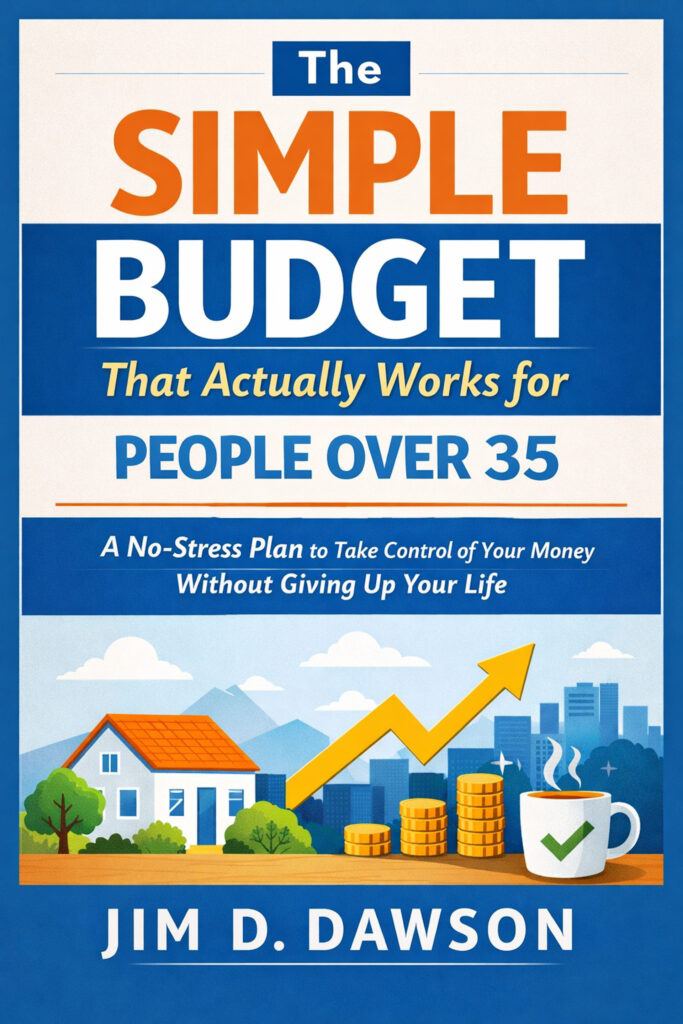
Get the Entire Book on Amazon – CLICK HERE FOR MORE INFORMATION
The Stability-First Method (Not the Perfection Method)
When you’re already behind, the goal isn’t perfection.
It’s stability.
Stability-first means:
- Create breathing room fast
- Reduce panic
- Stop small surprises from becoming debt
- Then build toward bigger safety
This flips the usual approach.
Instead of waiting to build a “complete” emergency fund someday, you start by building a small buffer now.
Why?
Because partial safety is still safety.
The “Small Buffer Before 3–6 Months” Framework
The biggest mistake people make is believing safety only starts once they hit a big number.
It doesn’t.
Safety starts the moment you’re not one surprise away from chaos.
Here’s the framework:
Step 1: Build a Starter Buffer (First Goal)
Target: $500–$1,000
This is your minimum viable emergency fund.
It won’t solve everything.
But it will:
- Stop most small emergencies from becoming debt
- Reduce panic
- Give you time to think instead of react
This is the fastest way to stop financial whiplash.
Step 2: Use Simple Rules for Emergencies
Use this filter:
- Is it unexpected?
- Is it urgent?
- Is it necessary?
If yes to all three, use the fund.
No guilt. No debate.
Step 3: Gradually Build Toward 1–3 Months (Then More)
Once the starter buffer exists, you can slowly expand your safety based on your income stability:
- Stable income → 1–3 months
- Low or variable income → 3–6 months over time
You don’t wait to be safe.
You become safer as you build.
Where the Money Actually Comes From (When Income Is Low)
If you’re trying to build an emergency fund when income is low, the money won’t come from “saving more.”
It comes from redirecting money already moving through your life:
- Cancel one low-value subscription
- Redirect money from a bill that got paid off
- Capture part of a tax refund or bonus
- Skim a small amount from convenience spending
- Redirect part of any raise before lifestyle expands
You’re not taking money away from your life.
You’re changing its destination.
Small redirections done consistently beat dramatic budget cuts that collapse after two weeks.
Common Mistakes That Keep People Stuck
1. Panic Saving
Saving aggressively for a few weeks, burning out, then stopping.
This creates emotional whiplash and teaches your brain that saving is painful.
Better:
Small, automatic contributions that don’t rely on willpower.
2. Draining the Fund for Predictable Costs
Car maintenance.
Medical deductibles.
Annual bills.
These aren’t emergencies.
They’re predictable expenses that deserve sinking funds.
When you use your emergency fund for normal life, it never grows—and you feel like you’re failing.
3. Waiting Until You’re “Ready”
Waiting for the perfect plan, the right account, or the perfect amount.
Safety doesn’t start when everything is optimized.
It starts when you begin.
Why This Changes Everything for Late Starters
Once you have even a small buffer:
- Emergencies feel annoying instead of catastrophic
- You stop defaulting to credit cards
- Progress stops resetting
- Money feels calmer
- Decisions get easier
This is the turning point where money stops feeling like an emergency.
Not because your life is perfect—
but because you finally have space between problems and collapse.
Final Reminder
If you’re behind, you don’t need to catch up before you build safety.
You build safety so you can catch up.
You don’t need months of expenses to start feeling secure.
You need a system that absorbs real life.
Want the Full System?
This article covers the foundation.

It walks you through:
- Building a starter buffer fast
- Setting emergency rules
- Preventing debt relapse
- Creating refill systems
- Layering safety so fewer things become emergencies
- Making progress durable instead of fragile
If money still feels like a constant emergency, the Playbook shows you how to make safety your default.