If you’ve ever searched for the best personal finance books for beginners and felt worse afterward, you’re not alone.
A lot of “beginner” money advice assumes:
- You’re starting with a clean slate
- You have extra money to optimize
- You just need motivation and discipline
But what if you’re not a beginner?
What if you’re starting late?
What if you feel like you’re already behind?
What if money mistakes from years ago are still following you around?
That’s a different situation entirely—and it needs different kinds of books.
This list is for:
- People who feel bad with money
- People who are overwhelmed by finances
- People starting over in their 30s, 40s, 50s
- People who don’t want shame, extremes, or hustle culture
If that’s you, here are the best personal finance books for beginners who actually feel behind.
Why “Behind” Feels Different Than “Beginner”
Most beginner finance books are written for people who:
- Haven’t made many money mistakes yet
- Don’t carry much financial baggage
- Can “just start saving 20%”
- Can easily slash expenses without affecting quality of life
But when you feel behind, you’re usually dealing with:
- Debt that limits your flexibility
- No emergency fund (or one that gets drained constantly)
- Inconsistent income or job stress
- Emotional pressure and financial anxiety
- Shame around past decisions
That means advice like:
“Just max out your retirement.”
“Just stop spending.”
“Just hustle more.”
…doesn’t land. It often backfires.
People who feel behind don’t need more pressure.
They need stability first.
What to Avoid in Personal Finance Books (If You Feel Behind)
Not all finance books are bad—but some styles are especially rough for late starters.
❌ Extreme Budgeting Books
These push:
- Zero-fun budgets
- Total lifestyle lockdown
- Cutting everything at once
This often leads to burnout and quitting.
❌ Hustle Culture Finance
These focus on:
- “Work 3 jobs”
- “Sleep less”
- “Grind now, live later”
This ignores burnout, health, and real life constraints.
❌ Shame-Based Money Advice
These rely on:
- Guilt
- Fear
- Harsh language
- “If you cared, you’d fix this by now”
Shame doesn’t build stability. It destroys consistency.
❌ Optimization Before Stability
Books that jump straight to:
- Investing strategies
- Advanced tax hacks
- FIRE math
…before you have:
- Predictable cash flow
- An emergency buffer
- Emotional calm around money
This is how people end up “doing everything right” and still feeling unsafe.
The Best Personal Finance Books for People Who Feel Behind
Here’s a short, realistic list of books for people bad with money and finance books for late starters who want calm, steady progress—not extremes.
1. The Psychology of Money – Morgan Housel
Best for: Reframing your relationship with money
Why it helps late starters:
This book doesn’t shame you for past mistakes. It explains why people behave the way they do with money—and why being “bad with money” is often emotional, not logical.
Good if you feel:
“I know what I should do, but I can’t stick to it.”
2. I Will Teach You to Be Rich – Ramit Sethi
Best for: Simple systems and automation
Why it helps late starters:
It focuses on setting up systems that work even when motivation fades. Less willpower. More structure.
Good if you want:
A practical, modern money setup without extreme frugality.
3. Your Money or Your Life – Vicki Robin
Best for: Values-based spending
Why it helps late starters:
It reframes money as a tool to support your life—not something to suffer over. This helps reduce panic and emotional pressure.
Good if you’re tired of:
Hustle culture and burnout thinking.
4. The Total Money Makeover – Dave Ramsey
Best for: Clear debt structure
Caution:
This works well for some people—but the tone and rigidity can feel harsh for those already anxious or behind.
Good if you need:
Very clear, strict rules and structure.
Not ideal if:
You struggle with shame or burnout.
5. How to Save Money When You’re Starting Late – Jim D. Dawson
Best for: Late starters who feel anxious and overwhelmed
This book focuses on:
- Stability before optimization
- Emotional safety around money
- Realistic progress without extremes
It’s designed specifically for people who feel behind and need a calmer entry point into saving.
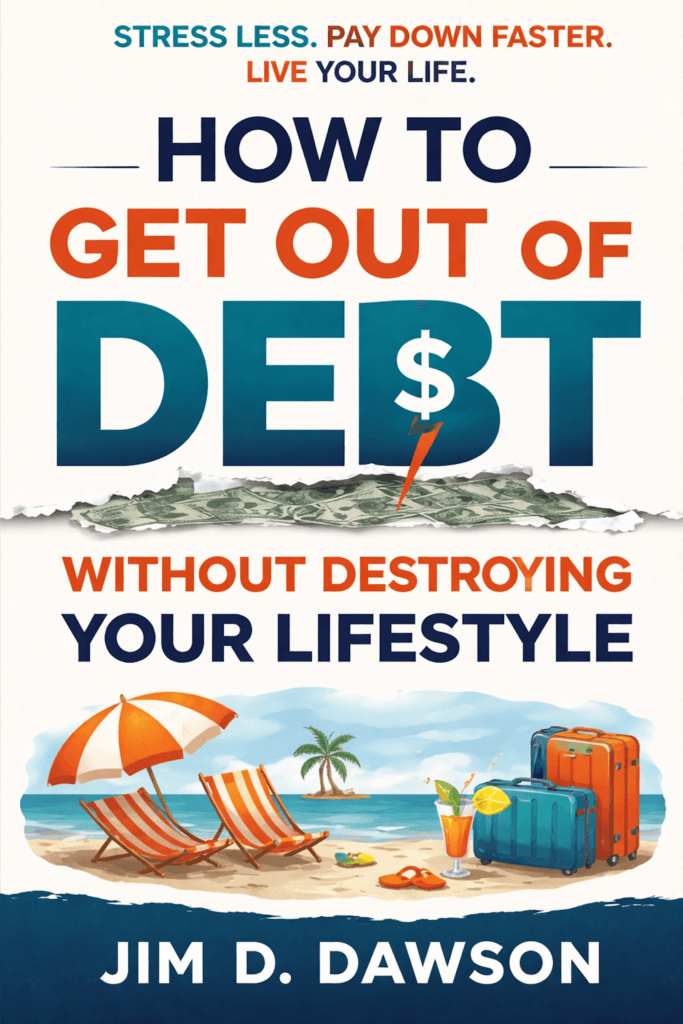
6. How to Get Out of Debt Without Destroying Your Lifestyle – Jim D. Dawson
Best for: Debt relief without burnout
This approach focuses on:
- Reducing monthly pressure
- Creating breathing room
- Avoiding the “all pain, no life” debt payoff trap
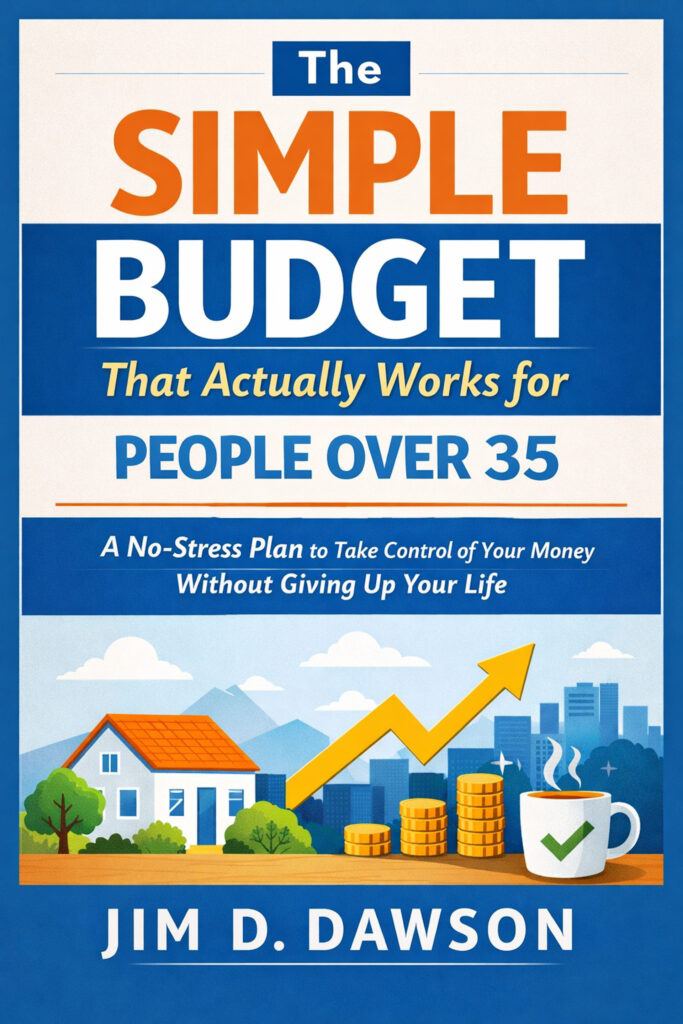
7. Build a Steady Financial Life Without the Stress (7-Book Series) – Jim D. Dawson
Best full system for rebuilding financial stability
This series is designed as a step-by-step stability system for people who feel behind, anxious, or overwhelmed by money.
Instead of jumping straight to optimization, it focuses on:
- Building emotional and financial stability first
- Creating buffers before aggressive goals
- Reducing financial anxiety
- Making progress without extremes
- Designing systems you can actually stick to
The books work together as a calm recovery path:
- Simple budgeting that doesn’t burn you out
- Emergency fund building without panic-saving
- Debt reduction without lifestyle destruction
- Stability-first saving
- Income growth without burnout
- Catch-up retirement planning
- Long-term wealth building after stability
If most finance books make you feel like you’re failing, this series is built for the opposite experience.
👉 Start with Book 1, or grab the full series box set if you want the complete system.
How to Choose the Right Book for You (Quick Guide)
If you feel behind, ask:
- Do I need emotional relief first? → Start with The Psychology of Money
- Do I need simple systems? → I Will Teach You to Be Rich
- Do I need debt structure? → Total Money Makeover (with caution)
- Do I need a full stability-first system? → Build a Steady Financial Life Without the Stress series
Final Thought: You’re Not Broken — The Advice Was
Feeling “bad with money” usually isn’t a character flaw.
It’s often the result of:
- Advice that didn’t fit your life
- Systems that required more energy than you had
- Shame-based motivation that made things harder
- Optimization before stability
The right personal finance books for beginners who feel behind don’t push extremes.
They help you rebuild calm, stability, and confidence first.
That’s how progress actually sticks.