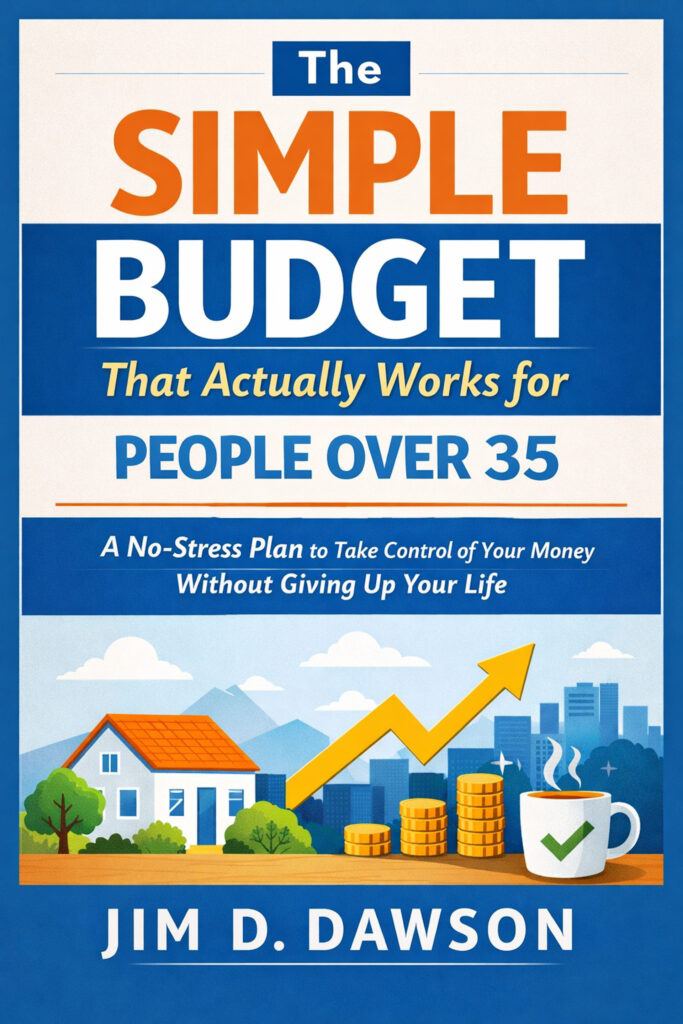
Ever feel like every budgeting app was built for a 22-year-old with three roommates and zero back pain?
If you’re over 35, chances are your money life looks… complicated. Mortgage or rent, kids (or aging parents), career pivots, health costs, maybe even a nagging feeling that you should be “further along.”
Think of your finances like a garden. In your 20s, you’re planting seeds. In your 30s and beyond, you’re managing full-grown trees — some thriving, some tangled, some in need of pruning. Budgeting for people over 35 isn’t about starting from scratch. It’s about tending what’s already grown.
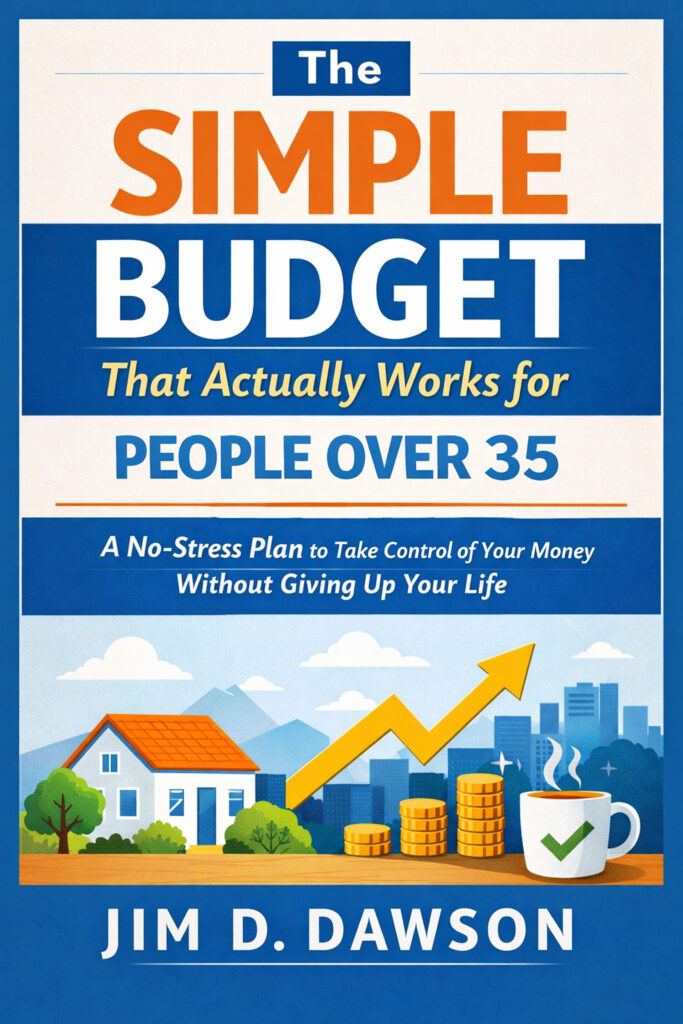
In this guide, you’ll learn:
- Why traditional zero-based budgets often backfire for late starters
- The difference between a stability budget and an optimization budget
- A practical 3-zone expense framework that actually fits real life
- How to make progress — even if you feel behind
Let’s dig in.
1. Why Zero-Based Budgets Fail Late Starters (And What No One Tells You)
Here’s the uncomfortable truth: zero-based budgeting assumes control you may not have.
A zero-based budget requires you to assign every dollar a job before the month starts. Sounds tidy. But when you’re juggling irregular expenses, school fees, insurance hikes, and surprise car repairs? It can feel like trying to nail jelly to a wall.
According to a 2023 survey by the American Psychological Association, financial stress affects 72% of adults, with midlife adults reporting some of the highest stress levels. When you’re already feeling behind, hyper-detailed budgeting can amplify guilt instead of creating clarity.
Financial educator Ramit Sethi puts it bluntly:
“A budget doesn’t have to restrict you. It should help you live your Rich Life.”
For many over 35, zero-based budgets fail because:
- Income may be stable, but expenses fluctuate heavily
- You’re managing dependents or shared finances
- Emotional pressure to “catch up” creates all-or-nothing thinking
Practical tip: Instead of assigning every dollar, focus on controlling only the big three: housing, transportation, and food. These typically make up 60–70% of expenses.
2. Stability Budget vs. Optimization Budget: Know Which Season You’re In
Here’s a question most financial advice skips: Are you trying to survive or optimize?
There are two types of budgets:
Stability Budget
This is for when you’re:
- Paying down high-interest debt
- Rebuilding savings
- Recovering from job changes or divorce
- Starting retirement savings later than planned
Your goal? Reduce risk. Create breathing room. Lower stress.
Optimization Budget
This is when:
- Debt is manageable
- Emergency savings are funded
- Retirement contributions are on track
- You’re investing and planning tax strategies
A 2022 report from the Federal Reserve found that 37% of adults would struggle to cover a $400 emergency expense without borrowing. If that’s you, you need a stability budget — not aggressive investing strategies.
As Suze Orman says:
“People first, then money, then things.”
If you’re still building your foundation, optimization can wait.
Practical tip: If you don’t have 3–6 months of expenses saved, you’re in Stability Mode. Make that your only financial priority outside of minimum debt payments.
3. The 3-Zone Expense Framework That Simplifies Everything
Now we get to the good stuff — the framework that makes a simple budget for late starters actually work.
Instead of 25 categories, use three zones:
🟢 Zone 1: Essentials (50–65%)
Non-negotiables:
- Housing
- Utilities
- Insurance
- Groceries
- Transportation
- Minimum debt payments
These keep your life running.
🟡 Zone 2: Progress (10–25%)
Forward motion:
- Emergency fund
- Retirement contributions
- Extra debt payments
- Health savings
This is where future-you gets stronger.
🔵 Zone 3: Lifestyle (15–30%)
Everything that makes life enjoyable:
- Dining out
- Travel
- Streaming
- Hobbies
- Upgrades
According to behavioral finance research from Princeton University, happiness increases with financial security but plateaus after basic comfort needs are met. Translation? Overspending on lifestyle won’t fix financial anxiety.
Author Morgan Housel writes in The Psychology of Money:
“Doing well with money has little to do with how smart you are and a lot to do with how you behave.”
The 3-zone system works because:
- It’s flexible
- It adapts to life changes
- It avoids micromanagement
Practical tip: Start by calculating your current percentages. Adjust gradually — don’t overhaul everything in one month.
4. Budgeting When You’re Behind: Ditch the Shame, Keep the Strategy
Let’s talk about the elephant in the room.
Maybe you started retirement savings at 38. Maybe debt followed you from your 20s. Maybe life threw curveballs.
You are not alone.
A Transamerica Retirement Survey found that the median retirement savings for Gen X is far below recommended targets, and many feel unprepared.
Shame is expensive. It leads to avoidance. Avoidance delays action.
Instead of asking, “Why didn’t I start sooner?” ask:
“What’s the smartest move I can make this month?”
Late starters often have advantages:
- Higher income than in their 20s
- More career stability
- Clearer priorities
As financial planner Jean Chatzky says:
“You can’t change the past, but you can absolutely change the trajectory.”
Practical tip: Increase retirement contributions by 1% every six months. Small increases feel painless but compound powerfully.
5. The Automation Advantage: Make Discipline Irrelevant
Here’s a little secret: willpower is overrated.
Research from Duke University suggests that over 40% of daily actions are habits, not conscious decisions. If your budget depends on motivation, it will eventually fail.
Automation turns progress into background noise:
- Auto-transfer to savings on payday
- Auto-invest into retirement accounts
- Auto-pay fixed bills
You remove decision fatigue — a major factor in midlife financial burnout.
As investor Warren Buffett famously said:
“Do not save what is left after spending, but spend what is left after saving.”
Automation makes that real.
Practical tip: Set transfers to occur the same day your paycheck hits. What you don’t see, you don’t spend.
6. The Midlife Reset: Adjust Without Self-Sabotage
Life after 35 isn’t static. Income rises. Kids grow. Parents age. Health changes.
Your budget should evolve too.
A study in the Journal of Consumer Research found that people who review financial plans quarterly feel more in control and report lower stress.
Instead of rigid annual goals, do a “Quarterly Money Reset”:
- Review expenses
- Adjust savings targets
- Rebalance priorities
Small course corrections prevent financial drift.
Practical tip: Put a recurring calendar reminder every three months labeled “Future Me Meeting.”
It’s Not Too Late — It’s Just a Different Starting Line
Budgeting for people over 35 isn’t about perfection. It’s about stability, clarity, and momentum.
We covered:
- Why zero-based budgets often overwhelm late starters
- The power of distinguishing stability from optimization
- The simplicity of the 3-zone expense framework
- How to move forward even if you feel behind
- Why automation and quarterly resets change everything
You don’t need a complicated spreadsheet. You need a system that respects your stage of life.
The truth? Starting at 35, 45, or even 55 still counts.
Because the best time to plant a tree was 20 years ago.
The second-best time? Today.