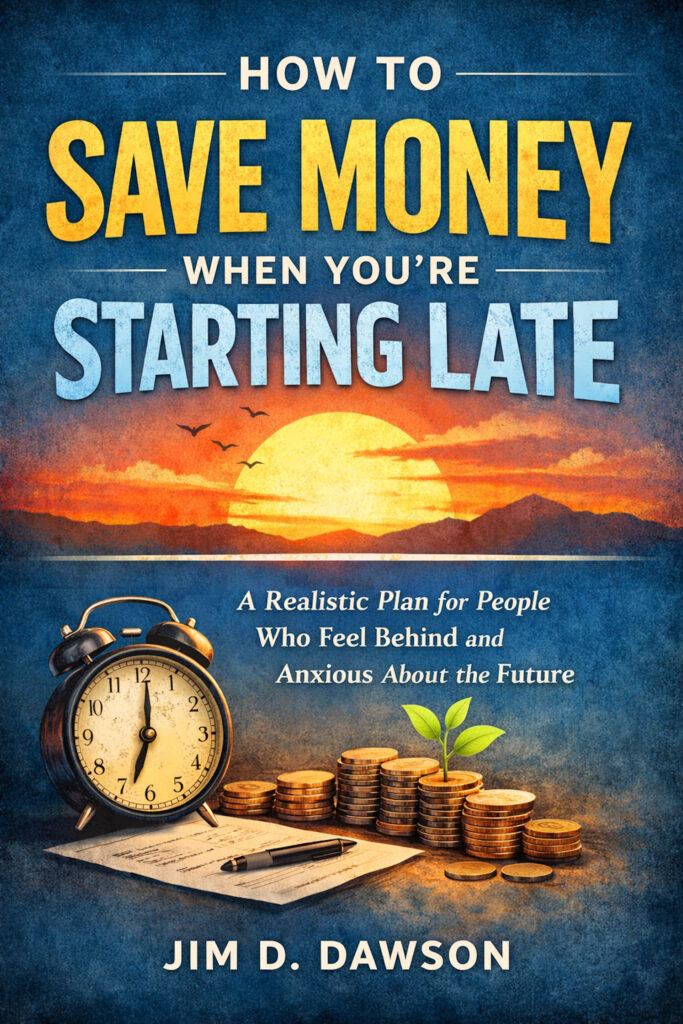
Feeling Like You’re Behind Financially?
At some point, many people look at their finances and feel a sinking realization: “I should have started saving years ago.” Maybe you spent your 20s paying off debt, supporting family, or simply trying to get established. Maybe life events—job loss, medical bills, or unexpected expenses—kept pushing saving to the bottom of the priority list.
Whatever the reason, starting late with saving money can feel discouraging.
But here’s the important truth: starting late is still far better than never starting at all.
Introduction: Your Financial Journey Isn’t a Race
Imagine joining a marathon halfway through. Some runners are already far ahead, and it may seem impossible to catch up. They’ve had more time to build momentum, settle into a rhythm, and cover more ground. Standing at the starting line late can make it feel like the race has already been decided.
But the race isn’t over.
You’re still on the course, and every step you take moves you forward. The distance you cover from this point onward still counts. In fact, many runners focus less on how far ahead others are and more on maintaining a steady pace that allows them to finish strong.
Your financial journey works in much the same way.
It’s easy to look around and compare yourself to people who started saving earlier. Maybe friends began investing in their twenties, built retirement accounts sooner, or purchased homes before you did. Seeing that progress can make it feel like you’re permanently behind.
But personal finance isn’t a competition against other people—it’s a process of improving your own situation over time.
Saving money, even when you start later than you hoped, can still lead to meaningful results. The key difference is that late starters often need to focus more intentionally on the actions that produce the greatest impact. Instead of relying on decades of slow progress, you can accelerate your momentum by saving more consistently, increasing your income when possible, and making smarter financial decisions moving forward.
Time still matters, but strategy matters just as much.
When you focus on the steps within your control—reducing unnecessary expenses, directing money toward savings, investing regularly, and building financial discipline—you begin creating forward progress that compounds over time.
And just like in a marathon, progress builds with each mile you complete.
In this guide, you’ll learn how to start saving money even if you feel financially behind. We’ll explore practical strategies that help you build momentum, accelerate your savings, and strengthen your financial foundation—so you can move forward with confidence, no matter when your journey begins.
>> MORE INFO: How to Fix your Finances when you Feel Behind <<
1. Accept Where You Are Without Regret
Financial progress begins the moment you stop looking backward.
One of the biggest obstacles people face when starting late is regret. It’s easy to dwell on missed opportunities—years when you could have saved more, invested earlier, or made better financial decisions.
But focusing on the past doesn’t improve your financial future.
According to behavioral finance research, people who fixate on past financial mistakes often delay taking action because they feel discouraged or overwhelmed.
Financial writer Morgan Housel explains:
“Your personal experiences with money make up maybe 0.00000001% of what’s happened in the world, but maybe 80% of how you think the world works.”
Instead of focusing on what didn’t happen years ago, shift your attention to what you can control today.
Practical Tip:
Write down one financial goal you can start working on immediately.
2. Focus on High-Impact Financial Moves
When you start late, efficiency matters.
If you’re starting your savings journey later than planned, the most effective approach is to focus on the financial decisions that produce the biggest results.
Some high-impact financial moves include:
- Increasing your savings rate
- Reducing large expenses like housing or transportation
- Eliminating high-interest debt
- Increasing your income
According to research from the Bureau of Labor Statistics, housing and transportation are the two largest categories in most household budgets. Adjusting these areas can free up significant money for savings.
Financial expert Ramit Sethi often emphasizes that optimizing big expenses matters far more than obsessing over small purchases.
Practical Tip:
Review your three largest monthly expenses and look for opportunities to reduce them.
>> FIND OUT ABOUT: Why Budgeting Fails Most People (And What Actually Works) <<
3. Increase Your Savings Rate Aggressively
Starting late means saving more now.
People who begin saving earlier benefit from decades of compound growth. When you start later, one of the best ways to compensate is by increasing the percentage of your income that goes toward savings.
Instead of aiming to save 5–10% of your income, consider gradually working toward 20–30% or more if possible.
This may sound ambitious, but small adjustments can add up quickly when combined:
- Increasing retirement contributions
- Redirecting raises or bonuses into savings
- Cutting unnecessary spending
- Automating transfers to savings accounts
Research from Vanguard shows that individuals who increase their savings rate significantly improve their chances of reaching long-term financial goals—even if they start later.
Practical Tip:
Increase your savings rate by 1–2% each year until you reach your target.
4. Take Advantage of Catch-Up Contributions
Retirement accounts offer opportunities for late starters.
If you’re over age 50, retirement accounts allow something called catch-up contributions. These additional contributions help people accelerate their retirement savings later in life.
For example:
- 401(k) plans allow higher annual contribution limits
- IRAs also offer additional catch-up contributions
These options can significantly boost retirement savings during your highest earning years.
According to research from Fidelity, many people experience their peak earning potential between ages 45 and 55, which means later savers often have greater capacity to contribute larger amounts.
Practical Tip:
If eligible, maximize catch-up contributions in retirement accounts.
5. Increase Your Income
Income growth can dramatically accelerate savings.
While reducing expenses helps, there’s only so much you can cut. Increasing your income often creates the fastest path to catching up financially.
Some ways to increase income include:
- Negotiating your salary
- Changing jobs for higher pay
- Freelancing or consulting
- Developing high-demand skills
- Starting a side business
According to the Bureau of Labor Statistics, workers who switch jobs often receive salary increases between 8–14%, significantly higher than typical annual raises.
Entrepreneur Chris Guillebeau once said:
“You don’t have to do everything today—just start.”
Practical Tip:
Direct any new income sources toward savings or investments.
>> NOW: How to Build an Emergency Fund When You’re Already Behind Financially. <<
6. Let Time Still Work in Your Favor
It’s never too late for compound growth to help you.
While starting earlier provides more time for compound interest to work, even shorter investment timelines can produce meaningful growth.
For example, investing consistently for 20 years can still generate substantial wealth thanks to compound returns.
According to long-term market data from Vanguard, diversified stock portfolios have historically produced strong returns over extended periods.
Investor Warren Buffett famously said:
“The most important investment you can make is in yourself.”
By investing consistently and remaining patient, you still allow compounding to work for you—even if your timeline is shorter.
Practical Tip:
Start investing as soon as your financial foundation is stable.
Starting Late Doesn’t Mean You’re Too Late
Saving money when you feel financially behind can be intimidating. It’s easy to look at your current situation and feel like the window of opportunity has already passed. Maybe you wish you had started saving years earlier, or you compare your progress to others who seem further ahead.
But the reality is that financial progress doesn’t depend on having a perfect starting point.
It depends on taking action today.
Every strong financial future begins with a single decision to move forward. No matter where you’re starting from, the steps you take today can begin changing the trajectory of your finances. Small improvements in your habits, decisions, and priorities can gradually build into meaningful financial stability.
If you’re starting later than you hoped, keep these key principles in mind:
Let Go of Regret and Focus on the Present
Dwelling on past financial mistakes or missed opportunities only slows your progress. What matters most now is the actions you take moving forward.
Prioritize High-Impact Financial Decisions
Focus your energy on the areas that make the biggest difference—housing costs, debt reduction, savings rate, and income growth. These decisions can accelerate your financial progress far more than worrying about small expenses.
Increase Your Savings Rate When Possible
As your income grows or your expenses change, direct more money toward savings and investments. Even small increases in your savings rate can dramatically improve your long-term results.
Use Catch-Up Contributions in Retirement Accounts
If you qualify, take advantage of higher retirement contribution limits designed for individuals who begin saving later in life. These tools are specifically designed to help accelerate retirement savings.
Increase Income to Accelerate Progress
While cutting expenses can help, increasing your income often creates the greatest opportunity to catch up. Raises, career changes, skill development, or side income can significantly increase the amount you’re able to save.
Invest Consistently and Allow Compounding to Work
Even if your investment timeline is shorter than someone who started earlier, consistent investing still allows compound growth to build momentum over time.
Starting late may require more focus and discipline—but it can absolutely still lead to meaningful financial security. Many people experience their highest earning years later in life, which gives them the opportunity to save and invest more aggressively.
Financial success isn’t determined by when you start.
It’s determined by whether you start at all.
Every dollar saved, every investment made, and every smart financial decision builds momentum. Over time, those small steps combine to create a stronger financial future—one that’s shaped not by when you began, but by the commitment you made to keep moving forward. 🚀