Why an Emergency Fund Is the Foundation of Financial Stability
It usually starts with something small and unexpected. Your car suddenly needs repairs. A medical bill arrives in the mail. Your hours at work are cut back for a few weeks. None of these situations are unusual—but when you’re not financially prepared, they can quickly turn into major stress.
Without savings, many people turn to credit cards or loans just to get through the moment. What begins as a temporary problem can quietly grow into long-term debt.
Your Emergency Fund Is a Financial Safety Net
Imagine walking across a tightrope high above the ground. Every step requires focus and balance. If there were no safety net below you, the experience would be incredibly stressful. One small slip, one unexpected gust of wind, or one moment of distraction could lead to a serious fall.
Under those conditions, even the simplest step would feel risky.
Now imagine walking that same tightrope with a strong safety net stretched beneath you. The height hasn’t changed, and the challenge of walking the rope is still there—but the fear is dramatically reduced. You know that if something unexpected happens, you won’t fall all the way down.
An emergency fund works in much the same way for your finances.
Life is full of unexpected events. Cars break down, appliances stop working, medical bills appear, and jobs sometimes change without warning. These situations aren’t rare—they’re simply part of life. The problem isn’t that emergencies happen. The problem is being financially unprepared when they do.
Without savings, even a relatively small expense can create a chain reaction of financial stress. A repair bill might go on a credit card, which leads to interest charges, which makes it harder to pay off other debts. Before long, one unexpected expense can turn into months or even years of financial strain.
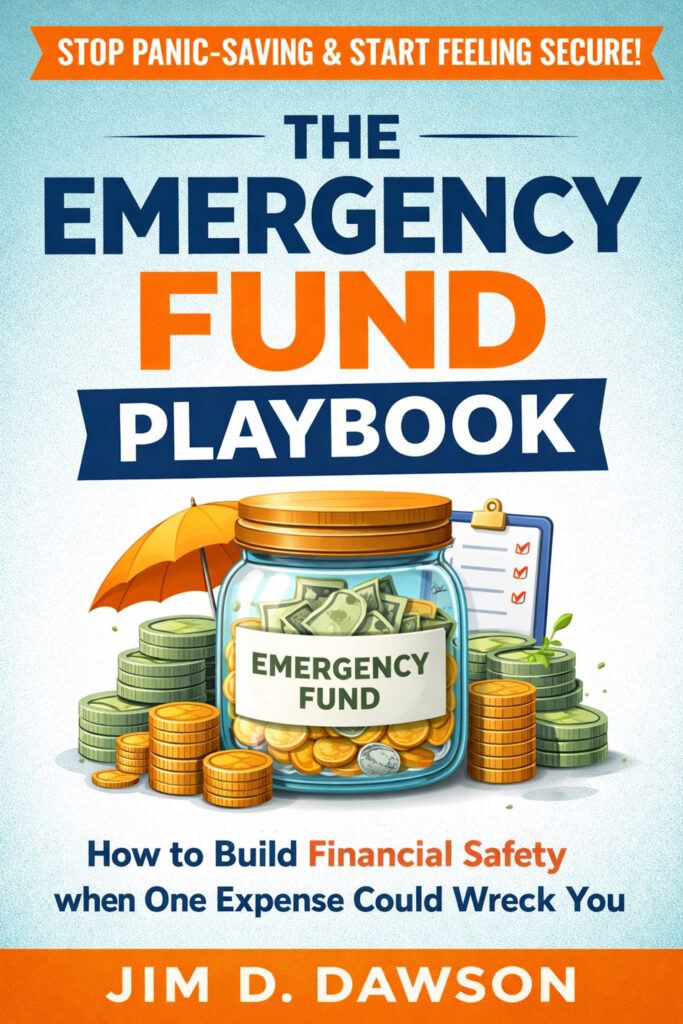
An emergency fund acts as that financial safety net.
It doesn’t stop life’s surprises from happening, but it protects you from the worst consequences when they do. Instead of scrambling to find money or relying on debt, you can simply use the funds you’ve already set aside for exactly this purpose.
That shift changes everything.
Rather than reacting with panic when something goes wrong, you’re able to handle the situation calmly and move forward. Your finances remain stable, and your long-term goals stay intact.
In many ways, an emergency fund isn’t just about money—it’s about peace of mind. Knowing that you have a financial buffer allows you to navigate life’s uncertainties with far less stress and far more confidence.
In this guide, you’ll learn the real way to build an emergency fund—including how much you actually need, how to start saving even if your budget feels tight, and how to gradually grow your savings into a financial cushion that protects you when life inevitably throws the unexpected your way.
1. Why Most People Struggle to Build an Emergency Fund
The biggest obstacle to saving money isn’t income—it’s consistency.
Many people believe they can’t build an emergency fund because they don’t earn enough money. It’s a common assumption: “Once I make more money, then I’ll start saving.” While income certainly plays a role in how quickly you can build savings, the real challenge for most people isn’t income—it’s creating consistent saving habits.
In fact, people at many different income levels struggle with emergency savings. Without a clear plan or routine for setting money aside, even higher earners can find themselves unprepared when unexpected expenses appear.
Data from the Federal Reserve highlights just how widespread this issue is. Their surveys show that nearly 37% of Americans would struggle to cover a $400 emergency expense without borrowing money or selling something. That means millions of households are financially vulnerable to even relatively small setbacks like car repairs, medical copays, or appliance replacements.
The problem usually isn’t a single large mistake—it’s a combination of everyday financial pressures that make saving feel difficult.
Some of the most common challenges include:
Living Paycheck to Paycheck
When most or all of your income is already committed to bills and daily expenses, it can feel impossible to set money aside. Many people intend to save what’s left at the end of the month, but by the time the month ends, there’s often nothing left to save.
Rising Living Costs
Housing, groceries, transportation, and healthcare costs have increased significantly in many areas. As essential expenses rise, it becomes harder for households to create space in their budgets for savings.
Unexpected Bills That Disrupt Progress
Even when someone starts saving, unexpected expenses can quickly derail those efforts. A single repair bill or medical expense can wipe out weeks or months of savings, which can feel discouraging and cause people to stop trying altogether.
Lack of a Clear Savings Plan
Many people want to save but simply don’t have a system in place to make it happen. Without a specific goal, timeline, or automatic process, saving often becomes something that gets postponed indefinitely.
The encouraging news is that building an emergency fund doesn’t require saving thousands of dollars all at once. In fact, most successful emergency funds begin with very small contributions made consistently over time.
Even setting aside a small amount each week can slowly build a financial cushion. The key isn’t the size of the first deposit—it’s creating a habit that turns saving into a normal part of your financial routine.
Once that habit is established, the amount you save can gradually increase as your income grows or your expenses change. And over time, those small deposits can grow into a powerful financial safety net that protects you from life’s inevitable surprises.
Financial educator Ramit Sethi explains:
“Getting rich isn’t about one big decision—it’s about hundreds of small ones.”
Practical Tip:
Focus on building the habit of saving first. The amount can grow over time.
2. Start Small: Your First Emergency Fund Goal
The first step isn’t saving thousands—it’s saving your first few hundred dollars.
Many financial experts recommend building a starter emergency fund of $500 to $1,000 before focusing on larger savings goals. While that amount might not seem like a huge financial cushion, it plays an incredibly important role in protecting your finances from everyday disruptions.
For many people, the idea of saving three to six months of expenses can feel overwhelming. When the goal feels too large, it’s easy to postpone saving altogether. Starting with a smaller, achievable target helps remove that psychological barrier and makes the process feel far more manageable.
That’s why beginning with a modest emergency fund is such an effective strategy.
Why Start Small?
Because even a small amount of savings can protect you from many of life’s most common and frustrating financial surprises.
Unexpected expenses happen more often than people expect, and many of them fall within the range of a few hundred dollars. Having even a small financial cushion allows you to handle these situations without immediately turning to credit cards or loans.
Common examples include:
- Minor car repairs, such as replacing a battery or fixing a flat tire
- Medical copays or prescriptions that insurance doesn’t fully cover
- Small home repairs, like fixing a leaking pipe or replacing a broken appliance part
- Unexpected travel expenses, such as visiting family during an emergency
These situations may not be catastrophic, but without savings they can still create financial stress. When you don’t have a financial buffer, even a modest bill can force you to rely on credit cards, which often come with high interest rates that make the expense far more costly over time.
Research from the Consumer Financial Protection Bureau supports this idea. Their studies show that households with even small emergency savings are significantly less likely to rely on high-interest credit cards when unexpected expenses arise. In other words, having a few hundred dollars saved can dramatically reduce the chances of falling deeper into debt.
There’s another powerful benefit to starting small: momentum.
Saving your first few hundred dollars creates a psychological shift. Instead of feeling like someone who struggles to save money, you begin to see yourself as someone who is actively building financial security. That change in mindset can be incredibly motivating.
Once you reach your first milestone—whether it’s $500 or $1,000—it becomes easier to continue saving. You’ve proven to yourself that progress is possible, and each additional contribution builds confidence and financial stability.
Think of your starter emergency fund as the first layer of financial protection. It may not cover every possible emergency, but it’s enough to absorb many of the smaller shocks that could otherwise derail your finances.
And once that first layer is in place, you’re in a much stronger position to keep building toward a larger safety net.
As author Dave Ramsey often says:
“An emergency fund turns a crisis into an inconvenience.”
Practical Tip:
Aim to save your first $1,000 as quickly as possible—even if it takes a few months.
3. Where to Keep Your Emergency Fund
Your emergency savings should be safe, accessible, and separate from everyday spending.
Where you store your emergency fund matters more than many people realize. Saving money is an important first step, but placing that money in the right type of account helps ensure it remains both protected and accessible when you truly need it.
Your emergency fund should strike a careful balance. On one hand, the money needs to be easy to access during a real emergency. If your car breaks down or you suddenly face a medical bill, you should be able to reach those funds quickly without penalties or complicated withdrawal processes.
On the other hand, the money shouldn’t be so convenient that you’re tempted to use it for everyday spending. If your emergency savings sit in the same checking account you use for groceries, shopping, and dining out, it can become far too easy to dip into that money for non-emergencies.
That’s why many financial experts recommend storing emergency savings in a high-yield savings account.
High-yield savings accounts function similarly to traditional savings accounts but typically offer significantly higher interest rates. While they won’t generate huge investment returns, they allow your emergency fund to grow gradually while remaining safe and accessible.
Some of the main benefits include:
Easy Access When Needed
Most high-yield savings accounts allow you to transfer money quickly to your checking account if an emergency arises. This ensures you can respond to unexpected expenses without delay.
Separation From Your Spending Account
Keeping your emergency fund in a separate account creates a clear boundary between money for daily spending and money reserved for true emergencies. This separation helps reduce the temptation to use those funds for routine purchases.
Interest Earnings on Your Savings
Unlike money sitting in a standard checking account, high-yield savings accounts pay interest on your balance. Over time, this allows your emergency fund to grow slightly while remaining safe.
Protection Through FDIC Insurance
Most high-yield savings accounts offered by reputable banks are insured by the Federal Deposit Insurance Corporation (FDIC). This protection covers deposits up to $250,000 per account holder, providing an additional layer of financial security.
According to data from Bankrate, high-yield savings accounts often offer interest rates that are significantly higher than traditional savings accounts at many large banks. While the difference may seem small at first, earning interest on your savings helps your emergency fund gradually increase without additional effort.
There’s also an important psychological benefit to separating your emergency savings from your everyday money. When your emergency fund lives in a different account—especially one labeled clearly as “Emergency Fund”—it creates a mental barrier that helps reinforce its purpose.
Instead of viewing that money as available spending cash, you begin to see it as financial protection reserved for unexpected situations.
This simple separation can make it much easier to leave your emergency savings untouched until you truly need it—and that discipline is one of the key habits that helps people maintain long-term financial stability.
Financial author Morgan Housel explains:
“The most important part of every financial plan is planning for things that don’t go according to plan.”
Practical Tip:
Open a dedicated savings account specifically labeled “Emergency Fund.”
4. How to Save Even When Money Feels Tight
You don’t need a large income to start building financial security.
One of the biggest myths about saving money is that you need a large income—or extra income—before you can begin. Many people tell themselves they’ll start saving once they receive a raise, pay off a few bills, or feel more financially comfortable. While higher income can certainly make saving easier, the truth is that most emergency funds are built gradually through small, consistent contributions.
Saving money isn’t always about large deposits. More often, it’s about creating a habit that allows small amounts to accumulate over time.
Even setting aside $10–$50 per week can slowly grow into a meaningful safety net. For example, saving $25 per week adds up to $100 per month and $1,200 in a year. While those numbers may not feel dramatic in the moment, they demonstrate how steady contributions can quietly build financial security.
The key is finding small opportunities within your existing budget where money can be redirected toward savings.
Some simple ways to create space for saving include:
Reducing Small Recurring Expenses
Many people have minor recurring expenses that go unnoticed—daily coffee purchases, convenience store stops, or small impulse buys. Reducing even one or two of these habits each week can free up money for your emergency fund.
Redirecting Subscription Costs
Streaming services, app subscriptions, and memberships can quietly accumulate over time. Reviewing your subscriptions and canceling the ones you rarely use can free up money that can be redirected toward savings.
Using Tax Refunds or Bonuses
Windfalls like tax refunds, performance bonuses, or unexpected cash gifts provide a great opportunity to accelerate your savings. Directing even a portion of these funds toward your emergency fund can give it a significant boost.
Selling Unused Items
Many households have items that are no longer used—electronics, furniture, clothing, or hobby equipment. Selling these items through online marketplaces or local resale platforms can generate extra money that can go directly into savings.
Directing Side Income Into Savings
If you earn extra income from freelance work, side hustles, or occasional gigs, dedicating that money specifically to your emergency fund can help you build your savings much faster.
Another powerful strategy that makes saving easier is automation. Research from behavioral economics studies consistently shows that people who automate small savings contributions are far more likely to reach their financial goals. When money is transferred automatically into savings, it removes the temptation to spend it and eliminates the need to rely on willpower each month.
In other words, saving becomes something that simply happens in the background.
Over time, those small automated contributions begin to add up. What started as a few dollars per week gradually grows into a financial cushion that can protect you from unexpected expenses—and the sense of security that comes with it is often far greater than the individual contributions that built it.are far more likely to reach their financial goals than those who rely on occasional manual transfers.
Entrepreneur Chris Guillebeau puts it simply:
“You don’t have to do everything today—just start.”
Practical Tip:
Set up an automatic weekly transfer to your emergency fund, even if it’s only $25.
5. Build Toward the Real Goal: 3–6 Months of Expenses
A fully funded emergency fund protects you from life’s biggest financial shocks.
Once your starter emergency fund is established, the next goal is building a larger financial safety net that can support you during more serious disruptions. While a $500–$1,000 cushion can handle many smaller surprises, larger emergencies—like losing a job or facing a significant medical issue—require a deeper level of financial protection.
That’s where the next phase of emergency savings comes in.
Most financial planners recommend gradually building an emergency fund that covers three to six months of essential living expenses. This level of savings provides enough breathing room to navigate major life events without immediately falling into financial crisis.
Instead of worrying about paying next month’s bills during a difficult situation, you gain the time and stability needed to recover, make thoughtful decisions, and move forward without panic.
When calculating this goal, it’s important to focus on essential living expenses, not every possible expense in your budget. These are the costs required to maintain your basic standard of living.
Essential expenses typically include:
- Housing costs such as rent or mortgage payments
- Utilities like electricity, water, and internet
- Food and groceries for basic household needs
- Insurance premiums including health, auto, or renters insurance
- Transportation costs such as fuel, car payments, or public transit
- Minimum debt payments required to keep accounts in good standing
By focusing on necessities rather than lifestyle spending, your emergency fund becomes more achievable and targeted toward true financial stability.
The exact amount you should save depends heavily on your personal circumstances and the stability of your income.
For example:
- Individuals with stable, predictable employment may feel comfortable with closer to three months of essential expenses.
- Those who work as freelancers, contractors, or have variable income often benefit from saving closer to six months—or even more—because their income can fluctuate unexpectedly.
Research from the Urban Institute reinforces the importance of this financial buffer. Their studies show that households with at least three months of emergency savings are significantly less likely to experience financial hardship following income disruptions such as layoffs or unexpected reductions in work hours.
In other words, emergency savings dramatically increase your financial resilience.
It’s also important to remember that building this level of savings rarely happens overnight. For most people, reaching a three- to six-month emergency fund is a long-term goal that may take months or even years to complete.
And that’s perfectly normal.
The key is steady, consistent progress. Each deposit—no matter how small—moves you closer to a more secure financial position. Over time, those contributions add up to a powerful financial safety net that protects you from some of life’s most difficult financial challenges.
Rather than focusing on how long the journey might take, focus on building the habit of saving consistently. That habit is what ultimately turns small deposits into lasting financial security.
Financial writer Morgan Housel emphasizes:
“The ability to survive financial setbacks is more important than maximizing investment returns.”
Practical Tip:
Treat your emergency fund like a monthly bill you pay to yourself.
6. Protect Your Emergency Fund From Everyday Spending
The hardest part of building an emergency fund is keeping it intact.
Once you begin building savings, the temptation to use that money for non-emergencies can appear. Vacations, shopping, or lifestyle upgrades can slowly chip away at your emergency fund if you’re not careful.
That’s why it’s important to clearly define what qualifies as a true emergency.
Typically, emergency fund expenses include:
- Medical emergencies
- Car repairs required for work
- Urgent home repairs
- Unexpected job loss
- Necessary travel due to family emergencies
Non-emergency expenses usually include:
- Vacations
- Holiday shopping
- Upgrading electronics
- Dining out or entertainment
By protecting your emergency fund for genuine financial shocks, you ensure it’s available when you truly need it.
Financial author Suze Orman explains:
“True financial security isn’t measured by how much you earn—it’s measured by how prepared you are for the unexpected.”
Practical Tip:
If you must use emergency savings, prioritize rebuilding the fund as soon as possible.
Financial Security Starts With One Small Step
An emergency fund may not feel as exciting as investing in the stock market or building long-term wealth, but it’s actually one of the most powerful financial tools you can create. In many ways, it’s the quiet foundation that makes every other financial goal possible.
Investing and wealth-building often get the spotlight because they represent growth and opportunity. But without a financial safety net in place, unexpected events can quickly undo years of financial progress. A single emergency—like a job loss or major repair—can force someone to take on debt, withdraw investments early, or abandon long-term financial goals altogether.
An emergency fund protects you from that kind of setback.
It acts as a financial buffer between you and life’s uncertainties. When unexpected expenses appear, you’re able to handle them without immediately turning to credit cards, personal loans, or other forms of debt. Instead of creating new financial problems while trying to solve the current one, you can simply rely on the savings you’ve already prepared.
Beyond the financial benefits, emergency savings also provide something equally valuable: peace of mind.
Money is one of the leading causes of stress for many households. The constant worry about unexpected bills or financial disruptions can weigh heavily on daily life. Knowing you have a financial cushion in place helps reduce that anxiety and allows you to focus on your goals with greater confidence.
If you’re working toward building your emergency fund, remember these key steps:
Start Small With Your First $500–$1,000
Your first milestone doesn’t need to be massive. A modest starter emergency fund can protect you from many common financial surprises and help prevent new debt.
Store Your Savings in a Dedicated Account
Keeping your emergency fund in a separate savings account makes it easier to protect and track. This separation also helps reinforce that the money is reserved specifically for unexpected situations.
Save Consistently, Even With Small Amounts
Regular contributions—even small ones—create steady progress. Over time, those small deposits add up and build meaningful financial security.
Gradually Build Toward Three to Six Months of Expenses
Once your starter fund is established, continue expanding your savings until you have enough to cover several months of essential expenses. This larger cushion provides protection during more serious financial disruptions.
Protect the Fund for True Emergencies Only
It can be tempting to dip into your emergency savings for non-essential purchases, but protecting this fund is critical. Reserving it strictly for genuine emergencies ensures it will be there when you truly need it.
Ultimately, financial stability doesn’t come from avoiding problems entirely—because life will always bring unexpected challenges. True stability comes from being prepared for those challenges when they arise.
And every dollar you place into your emergency fund is another step toward that preparation. Over time, those small contributions grow into something incredibly valuable: a financial safety net that allows you to face uncertainty with confidence rather than fear.
As author Morgan Housel writes:
“The most important part of every financial plan is planning for things you can’t plan for.”
And the moment you begin building your emergency fund, you’re already taking the first step toward that security. 🚀